
When installing granite countertops, the most common mistakes come from choosing the wrong slab, measuring incorrectly, or not providing enough support. These issues can lead to cracks, uneven surfaces, and costly repairs, affecting both the look and durability of your kitchen. Being aware of these pitfalls beforehand helps homeowners plan carefully and enjoy a smooth, long-lasting installation.
Granite is a favorite for kitchens and bathrooms thanks to its natural beauty, strength, and versatility across different interior styles. But even the finest slab can be damaged if the installation isn’t carefully planned.
Common Mistakes When Installing Granite Countertops
1. Choosing the Wrong Slab
One of the most frequent mistakes is selecting a slab based solely on appearance rather than structural integrity. Granite is a natural stone, and it often contains fissures, veins, or weak points that can worsen over time. Choosing the wrong slab can lead to cracks, uneven surfaces, and frustration after installation.
Key considerations when selecting a slab:
- Inspect the slab carefully for cracks or fissures. Minor imperfections may look harmless, but can become major issues when the slab is cut and installed.
- Check the thickness of the slab. A slab that is too thin may not support the weight of heavy kitchen equipment or appliances.
- Compare multiple slabs to maintain visual consistency, particularly for larger kitchen layouts or areas with multiple seams.
2. Ignoring Proper Measurements
Accurate measurements are critical when installing granite countertops in Richmond, VA. Even minor miscalculations can result in gaps, misaligned edges, or the need to recut the slab, leading to additional costs and delays.
| Measurement Error | Consequence | Cost Impact |
| Slight deviation | Minor gaps | Low–Moderate |
| Moderate deviation | Misaligned seams | Moderate–High |
| Significant deviation | Slab unusable | Very High |
To avoid these issues, double-check all cabinet dimensions, sink cutouts, and edge overhangs before cutting the slab. Using laser levels and precise measuring tools helps achieve accuracy.
3. Skipping Professional Support
Granite countertops in Richmond are heavy and fragile, which makes DIY installation tricky. While some homeowners try to save money by doing it themselves, this often results in cracks, uneven edges, or weak support.
Reasons professional support is essential:
- Professionals ensure the safe handling of heavy slabs to prevent breakage during transport and installation.
- They can level the countertop accurately to avoid uneven surfaces.
- Proper adhesive and sealant application by professionals preserves the long-term integrity of the stone.
4. Incorrect Substrate Preparation
A solid, level base is crucial. Even the toughest granite can crack or sag if placed on uneven cabinets or unsupported surfaces. Proper preparation includes leveling the cabinets, reinforcing supports, and making sure they can handle the weight.
| Step | Correct Approach | Common Mistake |
| Level cabinets | Use a laser or spirit level | Skip leveling |
| Reinforce support | Add plywood or cleats | Assume cabinets are sufficient |
| Check the weight load | Confirm load capacity | Ignore slab weight |
During a renovation in Richmond, VA, inspectors observed that improper substrate preparation created stress points in the granite, resulting in minor fractures along the seams. Taking the time to prepare the base ensures longevity and prevents expensive future repairs.
5. Improper Sealing and Maintenance
Granite is porous and requires sealing to resist stains and moisture. Skipping this step or applying sealant incorrectly is a common mistake that can reduce the lifespan and appearance of the countertop.
Proper sealing steps:
- Thoroughly clean the surface to remove dust, grease, or residue.
- Apply a high-quality sealer evenly across the countertop.
- Allow the sealer to cure fully before use.
- Repeat sealing as needed according to usage and manufacturer instructions.
Daily maintenance should include cleaning with mild soap and water, avoiding harsh chemicals that can erode the sealant or damage the stone.
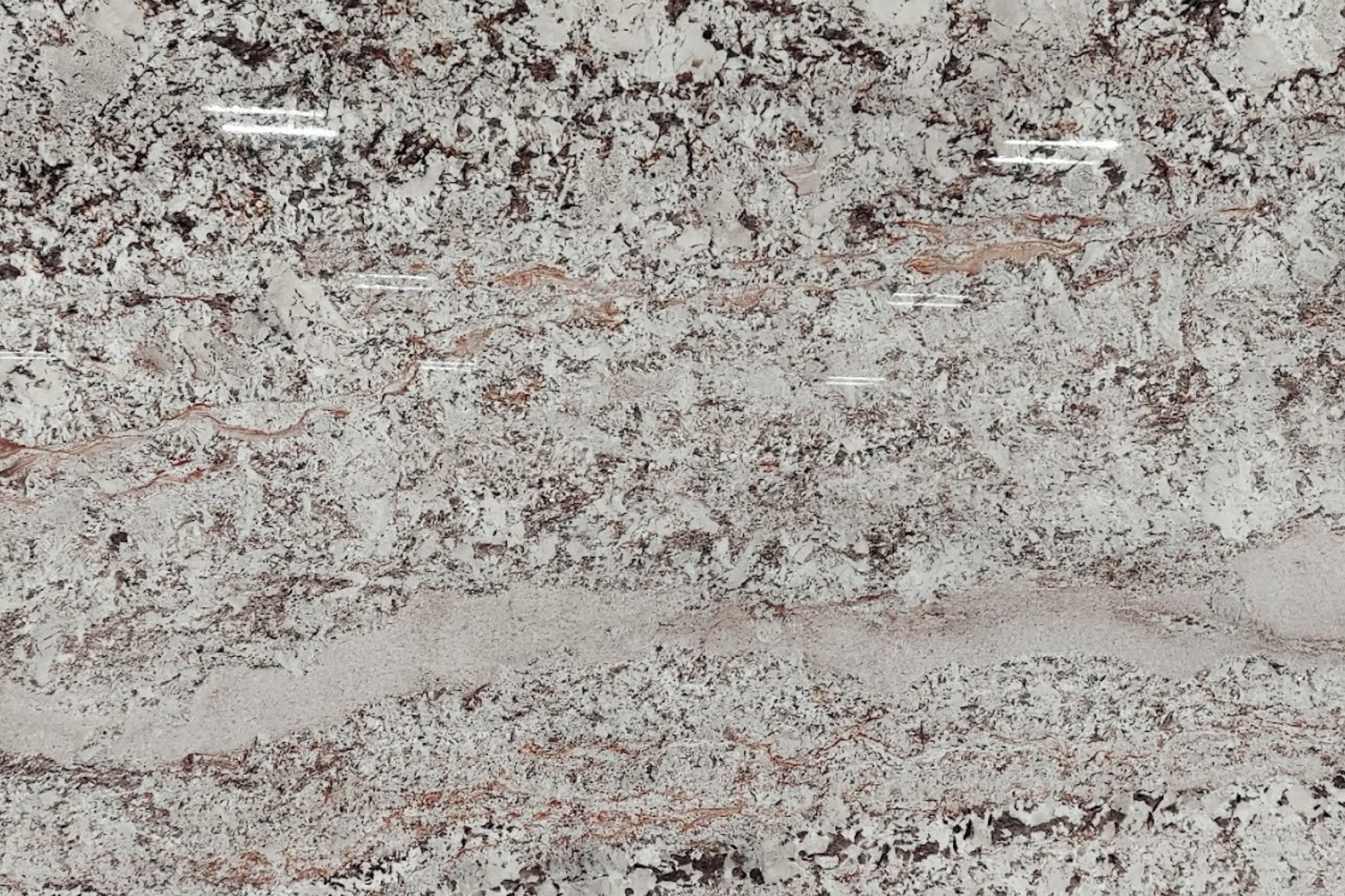
Misconception: “Granite Countertops Don’t Require Maintenance”
A common myth is that granite doesn’t need any care. While it’s very durable, it’s still porous and can stain or discolor without proper protection. Acidic liquids like lemon juice, vinegar, or wine can damage the surface if it’s not sealed.
Proper upkeep includes regular cleaning, occasional resealing, and prompt spill cleanup. Even in areas that see little use, consistent care helps maintain both the look and longevity of the Richmond granite countertop. Believing it’s maintenance-free can lead to long-term damage.
Applying This to Solve the Problem
Avoiding these mistakes requires deliberate planning and careful execution. Follow this approach for a successful installation:
- Select the slab carefully – Inspect for cracks and ensure uniformity in pattern.
- Measure accurately – Double-check cabinet dimensions, sink cutouts, and edge overhangs.
- Hire professional installers – Experienced installers know how to handle and support heavy slabs.
- Prepare the substrate thoroughly – Ensure cabinets are level and reinforced to carry the weight of the granite.
- Seal and maintain correctly – Clean, seal, and maintain the granite to prevent stains and preserve longevity.
Verification tips:
- Use a straightedge to check that all surfaces are level.
- Inspect seams and edges for proper alignment.
- Test water absorption after sealing to ensure complete coverage.
In Summary
At Tiger Granite and Marble, we help homeowners avoid common installation mistakes by focusing on careful slab selection, precise measurements, professional support, and ongoing care. Following these steps ensures your countertop stays durable and attractive while preventing costly damage. With proper planning and attention to detail, your surfaces can remain functional and beautiful for years to come. Contact us today to schedule your consultation and give your countertops the care they deserve!
People Also Ask
Q: Can I install granite countertops myself?
A: While possible, DIY installation is risky due to the weight and brittleness of granite. Professional installation ensures safe and accurate placement.
Q: How often should granite countertops be sealed?
A: Granite should be sealed regularly to maintain stain resistance, depending on usage and the type of sealer applied.
Q: What causes cracks in granite countertops?
A: Cracks are typically caused by improper handling, uneven substrate, or pre-existing fissures in the slab.
Q: Do granite countertops require special cleaning products?
A: Mild soap and water are sufficient for daily cleaning. Avoid harsh chemicals that can damage the stone or sealant.
Q: How can I ensure my granite countertop installation lasts?
A: Choose high-quality slabs, measure accurately, hire professionals, prepare the substrate correctly, and follow a regular sealing and maintenance routine.