
Installing a kitchen countertop can dramatically enhance your space, but even small mistakes can quickly become expensive. Avoiding costly errors requires careful planning, understanding materials, and working with experienced professionals. Whether you’re updating a small kitchen or completing a full remodel, taking the right steps ensures a smooth, stress-free installation.
Plan Before You Install
Proper planning is the first step to a successful countertop project. Each kitchen has its own measurements, plumbing constraints, and appliance layouts. Homeowners in Richmond often assume that countertops are standard, only to discover that minor irregularities in walls or cabinets make a big difference.
Tip: Draw a detailed kitchen layout before ordering materials. Include the locations of sinks, appliances, and seating overhangs. This small step prevents costly adjustments later. Planning also allows you to anticipate how lighting, cabinetry, and backsplash choices will interact with your new surface.
By mapping out your kitchen in advance, you also ensure you select a countertop that fits both functionally and aesthetically.
Choosing the Right Material
Selecting the right material is more than just picking a color or finish. Granite, quartz, marble, and laminate all have unique installation needs and durability profiles. Consulting with an experienced company ensures you select a material that fits your lifestyle and complements your kitchen layout.
- Granite: Durable and heat-resistant, but it must be cut precisely and sealed regularly.
- Quartz: Low-maintenance and non-porous, but heavy; cabinets must support the weight.
- Marble: Elegant and timeless, but softer and prone to scratches and stains if not maintained.
- Laminate: Affordable and versatile, but edges can chip if not installed expertly.
Accurate Measurements Save Money
Accurate measurements are critical. Even minor discrepancies can make a countertop unusable, resulting in extra material costs and installation delays. Measure walls, overhangs, and appliance clearances multiple times. For islands or custom countertops, precision is even more important.
Homeowners who take the time to measure carefully often avoid costly reorders and wasted slabs. For anyone looking for a kitchen countertop in Richmond, VA, bringing detailed measurements to your installer ensures the project starts on the right foot.
Prepare the Space Properly
Preparation is a step many homeowners overlook, but it’s essential for a successful countertop installation. Common mistakes include:
- Leaving the old countertop partially attached
- Installing over uneven cabinets
- Not checking plumbing or electrical clearances
Tiger Granite and Marble, a family-owned & operated company with over 15 years of experience in the construction industry, emphasizes that proper prep ensures countertops sit perfectly and last longer. Preparing the workspace also reduces installation time and prevents accidental damage to your cabinetry or appliances.
Hire Experienced Professionals
DIY installations may save money upfront, but stone countertops are heavy and fragile, and mistakes are expensive to fix. Professional installers provide expertise in:
- Accurate cutting for sinks, cooktops, and edges
- Proper support for heavy slabs
- Sealing and finishing for long-term durability
One homeowner attempted a DIY installation, resulting in misaligned seams and damaged edges. Hiring experienced professionals not only prevents these issues but also protects your investment. For projects requiring a kitchen countertop in Richmond, professional installation ensures the surface fits perfectly and is structurally sound.
Plan Seam Placement Carefully
Seams are sometimes unavoidable, but improper placement can compromise both aesthetics and durability. Professionals plan seam locations to:
- Minimize visual impact
- Reinforce high-use areas near sinks and cooktops
- Ensure structural support
Tiger Granite and Marble has guided Richmond homeowners to avoid costly seam mistakes by strategically placing them where they are least noticeable and strongest. Properly planning seam placement ensures your countertop looks seamless and lasts for years.
Seal and Maintain Countertops
Natural stone countertops require regular maintenance. Skipping the sealing process can result in stains, etching, and surface damage. Key maintenance steps include:
- Resealing granite every 1–2 years
- Using cutting boards and trivets to prevent scratches and heat damage
- Cleaning with pH-neutral products to preserve the stone’s finish
Quartz countertops also benefit from basic preventive care, such as avoiding harsh chemicals and direct heat. Richmond homeowners who follow these steps reduce the likelihood of costly repairs.
Common Installation Mistakes to Avoid
To protect your investment, avoid these common mistakes:
- Incorrect measurements: Measure multiple times and account for wall irregularities.
- Ignoring material thickness: Ensure your cabinets can support the countertop weight.
- DIY cutting: Stone slabs require precise cuts, best done by professionals.
- Poor seam placement: Plan with installers for both function and aesthetics.
- Skipping preparation: Level cabinets and check plumbing before installation.
- Neglecting sealing: Essential for granite and marble surfaces.
- Buying low-quality slabs: Investing in high-quality materials reduces long-term costs.
An experienced company in the construction industry can help clients navigate potential pitfalls.
Ensure Proper Support
Countertop slabs can be extremely heavy. Insufficient support can lead to cracks or warping over time. Consider:
- Leveling cabinets carefully
- Reinforcing overhangs
- Installing extra brackets near sinks
One homeowner avoided a cracked slab thanks to professional guidance in support planning. When installing a kitchen countertop, these structural considerations are essential to long-term durability.
Timing and Project Management
Delays in countertop installation increase costs. Coordinating slab delivery, measuring upon arrival, and scheduling installation efficiently can prevent unnecessary downtime. Tiger Granite and Marble, with extensive experience in Richmond, VA, ensures projects stay on schedule, reducing frustration and added expenses.
Cost Considerations
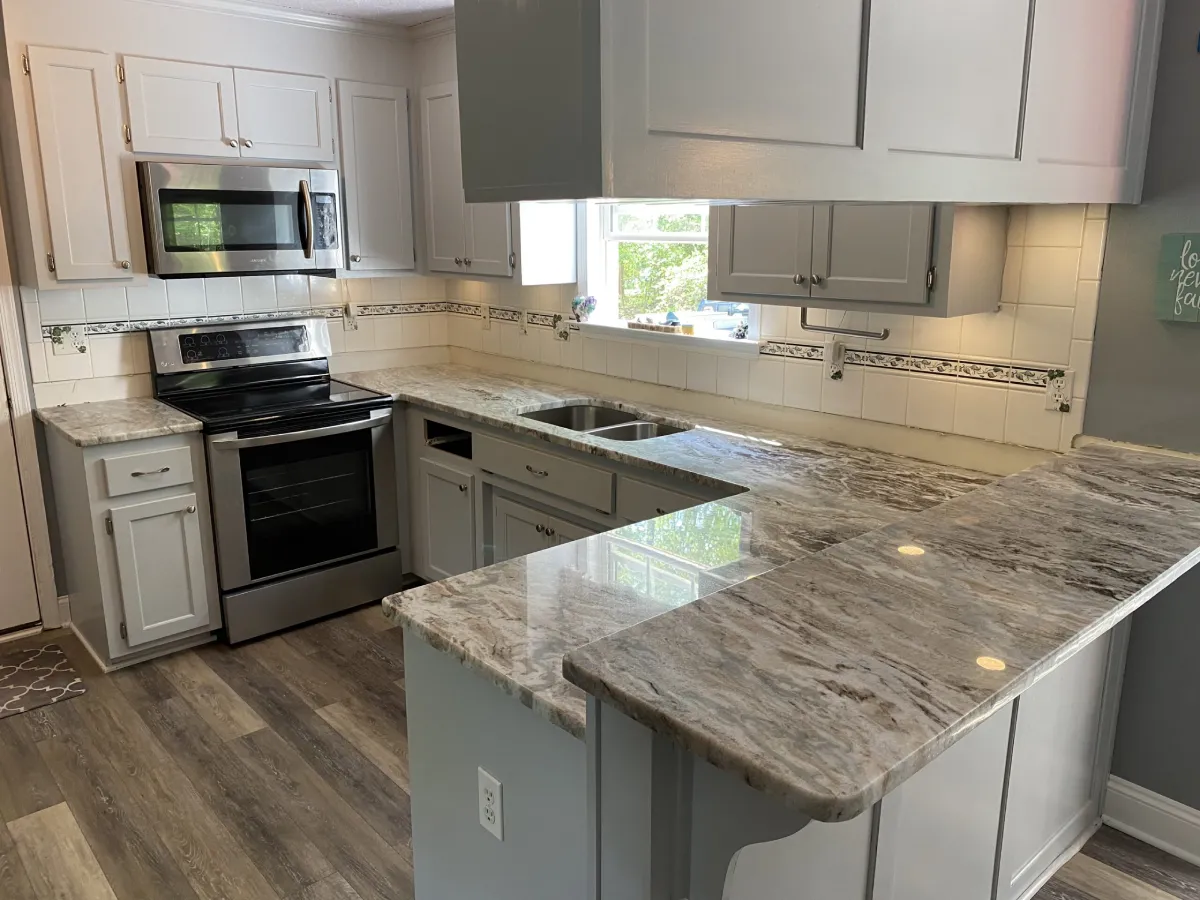
Investing in high-quality materials and professional installation often saves money over time. Cutting corners can lead to reorders, repairs, and damage that far exceed initial savings.
- Granite and quartz countertops are durable and low-maintenance.
- Proper preparation and installation reduce future repair costs.
- Experienced teams prevent misaligned slabs and weak seams.
Homeowners benefit from selecting a Richmond kitchen countertop from a trusted team. Proper planning and expert guidance protect your investment and maintain the beauty of your kitchen for years.
Final Quality Check
After installation, inspect for:
- Level surfaces
- Seam alignment
- Finished edges
- Secure attachment to cabinets
Tiger Granite and Marble recommends a final walkthrough to address any minor adjustments immediately. Early detection ensures long-term satisfaction and prevents small issues from becoming costly repairs.
Take the Next Step
Avoid costly mistakes by working with Tiger Granite and Marble, a company that provides expert installation, high-quality materials, and guidance throughout the process.
Explore your options or schedule a consultation today. Contact us now to get started!
People Also Ask
Q: How long does it take to install a kitchen countertop?
A: Professional installation usually takes 1–3 days, depending on complexity and material.
Q: Can I install a countertop myself?
A: DIY installation may work for laminate, but stone countertops require professional expertise.
Q: How much does a kitchen countertop cost in Richmond, VA?
A: Granite and quartz countertops generally vary in cost depending on material quality, design complexity, and installation requirements.
Q: How often should granite countertops be sealed?
A: Most granite surfaces benefit from resealing every 1–2 years.
Q: What is the best material for a long-lasting countertop?
A: Granite and quartz are durable and low-maintenance; marble offers elegance but requires more care.