
No. Sealing granite countertops does not prevent all stains, but it significantly reduces the risk of permanent discoloration. A penetrating sealer slows the absorption of liquids into the stone, giving you valuable time to wipe up spills before they become stains. Proper sealing, routine maintenance, and prompt cleanup work together to keep granite looking its best for years.
What Does a Granite Sealer Actually Do?
A granite sealer is designed to reduce the stone’s porosity. Rather than forming a thick coating on the surface, most professional sealers penetrate the granite and fill microscopic pores that would otherwise absorb liquids.
Granite Sealing Terms
Granite Sealer: A penetrating protective treatment that slows liquid absorption into natural stone.
Porosity: The amount of open space within granite that allows moisture and oils to penetrate.
Penetrating Sealer: A sealer that absorbs into the stone instead of creating a film on top.
Stain: Discoloration caused when liquids or oils penetrate beneath the surface.
Maintenance Sealing: Periodic reapplication of sealer to maintain stain resistance over time.
The goal of sealing is not to make granite waterproof or stain-proof. Instead, it provides additional time to clean spills before they soak into the stone.
Does Sealing Granite Prevent Every Stain?
The short answer is no.
Even a professionally sealed countertop can stain if liquids remain on the surface long enough. Sealers slow absorption; they do not stop it entirely.
Common staining substances include:
- Cooking oils
- Coffee
- Red wine
- Tea
- Tomato sauce
- Fruit juice
- Cosmetics
- Food coloring
Prompt cleanup is still the most effective way to prevent permanent stains.
What Sealing Does Not Protect Against
While sealing improves stain resistance, it does not protect granite from every type of damage. Understanding its limitations helps homeowners care for their countertops more effectively.
Sealing does not prevent:
- Scratches: Granite is one of the hardest natural stones, but knives, abrasive materials, and heavy impacts can still scratch or chip the surface.
- Heat Damage: Granite is naturally heat resistant, but placing extremely hot cookware directly on the countertop may weaken the sealer over time or damage nearby seams and adhesives.
- Etching on Certain Natural Stones: Although true granite rarely etches, countertops made from marble, dolomite, or other natural stones can be damaged by acidic substances such as lemon juice or vinegar.
- Cracks from Impact: A penetrating sealer does not strengthen the stone. Dropping heavy cookware on unsupported areas or around sink cutouts can still cause chips or cracks.
Using cutting boards, trivets, and proper cleaning products alongside routine sealing provides the best long-term protection for natural stone countertops.
Comparison: Sealed vs. Unsealed Granite
| Feature | Sealed Granite | Unsealed Granite |
| Liquid Absorption | Slow | Fast |
| Oil Resistance | High | Low |
| Stain Resistance | Excellent | Limited |
| Maintenance | Easier | More Frequent |
| Long-Term Appearance | Better Preserved | More Prone to Discoloration |
Although sealing dramatically improves stain resistance, routine care remains essential to maintaining beautiful countertops.
Why Some Granite Stains More Easily Than Others
Every slab of granite is unique. Some varieties are naturally denser, while others contain more microscopic pores.
Several factors influence stain resistance:
1. Stone Density
Denser granite absorbs less moisture than highly porous varieties.
2. Surface Finish
Polished granite generally resists moisture better than textured finishes because the polishing process closes many surface pores.
3. Quality of the Sealer
Professional-grade penetrating sealers typically provide longer-lasting protection than lower-quality alternatives.
4. Daily Use
Busy kitchens naturally expose countertops to more spills, increasing the need for regular maintenance.
How to Know When Granite Needs Resealing
Rather than relying solely on a schedule, watch for signs that your countertops may need another sealer application.
Quick Inspection Checklist
- Water darkens the stone after several minutes.
- Water no longer beads on the surface.
- Oil leaves dark spots.
- The countertop appears dry after cleaning.
- Moisture is absorbed quickly rather than remaining on top.
A simple water-drop test provides an easy way to evaluate whether your granite is still adequately protected.
Best Practices for Maintaining Sealed Granite
Maintaining sealed granite doesn’t require complicated routines, but consistency makes a significant difference.
Daily care includes:
- Wipe spills immediately.
- Cleaning with a pH-neutral stone cleaner.
- Using microfiber cloths.
- Avoid abrasive scrub pads.
- Drying surfaces after cleaning.
Weekly maintenance should include removing grease buildup around cooking areas and inspecting for residue near sinks and faucets.
These simple habits help extend the life of the protective sealer and preserve the appearance of Richmond, VA, granite countertops, especially in kitchens that see frequent daily use.
Choosing Quality Granite Countertops
Selecting granite involves much more than choosing a color.
When shopping for granite countertops in Richmond, VA, homeowners should evaluate the quality of the stone, fabrication standards, edge profiles, warranty coverage, and the experience of the installation team.
Important Buying Considerations
Stone Density
: Determines how resistant the granite is to moisture absorption.
Edge Profile
: The decorative shape applied to the countertop edge.
Fabrication
: The cutting, polishing, and finishing process is performed before installation.
Professional Installation
: Proper leveling, seam placement, support, and sealing are performed by experienced installers.
Investing in quality materials and expert craftsmanship often delivers better long-term value than simply selecting the lowest-priced option.
Professional Installation Plays a Major Role
Even premium granite requires expert installation to perform at its best.
Professional fabricators understand how to:
- Support heavy stone properly.
- Create precise seams.
- Apply penetrating sealers correctly.
- Reinforce sink openings.
- Finish edges for long-term durability.
Homeowners researching granite countertops in Richmond should look for companies with extensive experience working with natural stone, proven craftsmanship, and a reputation for quality installations rather than focusing solely on price.
During a recent countertop consultation with a homeowner in Short Pump, our team explained how proper sealing after installation significantly reduces the likelihood of future staining.
Another kitchen renovation in The Fan demonstrated how consistent maintenance preserved the original beauty of granite years after installation.
A homeowner in Church Hill also discovered that switching to stone-safe cleaning products helped extend the life of the countertop sealer while maintaining a polished finish.
These experiences reinforce the importance of both expert installation and ongoing care.
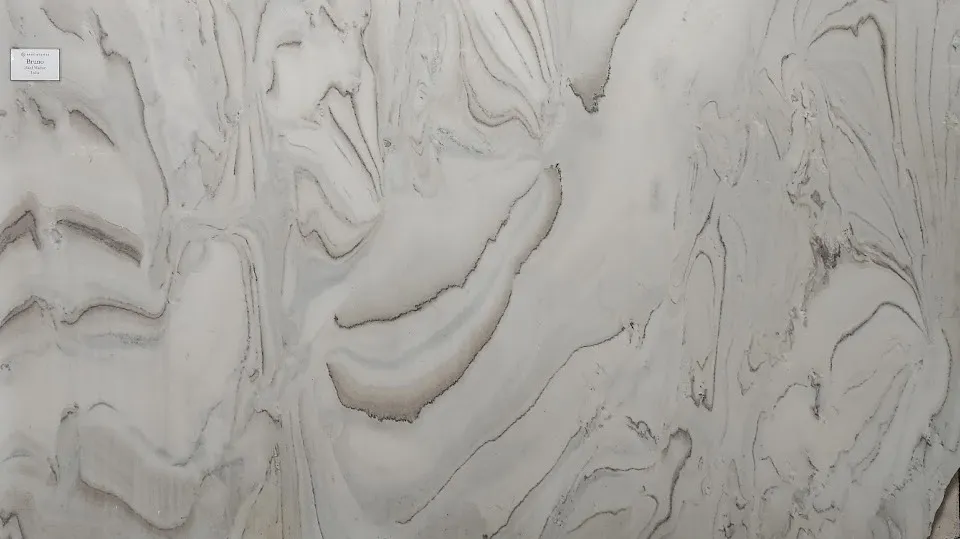
Myth vs. Reality: Sealed Granite Is Completely Stain-Proof
One of the biggest misconceptions about granite countertops is that sealing makes them impossible to stain.
Myth: Once granite is sealed, spills can be left on the surface indefinitely.
Reality: Sealers only slow absorption. Oil, wine, coffee, and other staining substances can still penetrate the stone if they remain on the surface long enough.
Another common misconception is that applying additional coats of sealer always provides better protection. In reality, granite can absorb only a limited amount of sealer. Applying more than necessary often provides little additional benefit and may leave residue on the surface.
The best protection comes from combining:
- Professional sealing
- Immediate spill cleanup
- Proper cleaning products
- Routine resealing when needed
Understanding these facts helps homeowners maintain realistic expectations while protecting their investment.
Why Experience and Expertise Matter
Natural stone is an investment that should last for decades.
Choosing experienced professionals ensures:
- Accurate measurements
- Precision fabrication
- Expert installation
- Proper sealing techniques
- Long-term maintenance guidance
At Tiger Granite and Marble, our team combines years of industry experience with quality materials and skilled craftsmanship. We are committed to preserving your investment by delivering countertops that are both beautiful and built to last. Our dedication to excellence has earned the trust of automotive enthusiasts, luxury car owners, and homeowners who value premium workmanship and long-term durability.
In Summary
Understanding how sealing works is one of the best ways to protect granite countertops and preserve their natural beauty for years to come. While no sealer can prevent every stain, proper installation, routine maintenance, and prompt spill cleanup dramatically reduce the risk of permanent damage.
If you’re considering new granite countertops or need expert guidance on caring for your natural stone, Contact Us today to learn more about our countertop solutions and schedule your consultation today.
People Also Ask
Does sealing granite countertops prevent stains?
No. Sealing greatly reduces the risk of staining by slowing liquid absorption, but it does not make granite completely stain-proof.
How often should granite countertops be sealed?
Most granite countertops should be resealed every one to three years, depending on the type of granite, the sealer used, and daily usage.
Can oil stain sealed granite?
Yes. If oil remains on the surface for an extended period, it may eventually penetrate the sealer and stain the stone.
What is the best cleaner for sealed granite?
A pH-neutral cleaner specifically designed for natural stone is recommended. Avoid acidic or abrasive household cleaners.
How can I test if my granite needs sealing?
Place several drops of water on the countertop and wait about 15 minutes. If the stone darkens, it is likely time to reseal.
Is professional sealing worth it?
Professional sealing often provides more even coverage with commercial-grade products and can help maximize the lifespan of your granite countertops.