
To maintain your quartz countertop without damaging it, clean the surface daily with a soft microfiber cloth and warm water, using a few drops of mild, pH-neutral dish soap. Avoid using abrasive scrubbers, bleach, or high-pH cleaners, and always use trivets or hot pads to protect the resin binders from thermal shock. By preventing surface staining and heat exposure, you ensure the material retains its polished luster for decades.
The Fundamentals of Surface Preservation
Quartz has become the gold standard for modern kitchens because of its incredible durability and non-porous nature. However, the very engineering that makes it strong also dictates how it must be cleaned. Unlike natural stone, which requires periodic sealing, this material is a composite. It is made of crushed stone held together by polymer resins.
When homeowners select a quartz countertop in Richmond, they are often drawn to the low-maintenance appeal. But “low maintenance” does not mean “no maintenance.” The resin is the component most susceptible to chemical and thermal damage. If you treat your surface like a slab of solid granite, you may inadvertently cause dulling or discoloration that cannot be reversed.
Essential Daily Cleaning Procedures
The best way to keep your surfaces looking brand-new is with a simple, consistent routine. You do not need expensive, specialized kits to keep the shine alive.
- Immediate Spill Response: While the material is stain-resistant, highly acidic liquids like lemon juice, vinegar, or wine can eventually break down the resin if left to sit. Always blot spills immediately rather than wiping them, which can spread the liquid.
- The Soap and Water Method: Use a clean microfiber cloth. Wet it with warm water and add a small amount of gentle soap. Wipe the entire surface in circular motions.
- Rinsing and Buffing: This is the step most people skip. After cleaning with soap, rinse the cloth with plain water and wipe the surface again to remove soap film. Use a separate dry cloth to buff the surface to a streak-free shine.
During a recent client project, we noted that water spots were the primary complaint. This is usually caused by minerals in the local water supply drying on the surface. Drying your counters after every cleaning prevents these stubborn white rings from forming on your quartz countertop in Richmond, VA.
Chemical Compatibility and What to Avoid
One of the quickest ways to ruin a beautiful finish is by using the wrong chemicals. Many common household disinfectants are far too harsh for the resins used in fabrication.
| Cleaner Type | Status | Potential Impact |
| pH-Neutral Soap | Recommended | Safely removes grease without affecting the resin. |
| Isopropyl Alcohol | Safe in Moderation | Effective for disinfecting and removing ink. |
| Ammonia-based Sprays | Avoid | Can cause the surface to become cloudy or “etched.” |
| Bleach and Degreasers | Strictly Prohibited | Can cause permanent yellowing or chemical burns. |
| Scouring Powders | Strictly Prohibited | Creates microscopic scratches that trap dirt. |
If you are unsure whether a cleaner is safe, check the label. If it warns against use on plastics or resins, it is not suitable for your countertop.
A Thoughtful Approach to Stone Care
To help homeowners maintain the beauty and longevity of stone surfaces, we advocate a structured system that goes beyond simple cleaning, a philosophy of material harmony that keeps your home looking its best.
This approach is built on three key principles:
- Molecular Respect. Treat the surface as a delicate molecular structure. Non-porous materials leave little room for bacteria to hide, so harsh chemicals are unnecessary. By respecting the material’s natural bonds, you avoid the “over-cleaning” trap that can damage many surfaces.
- Thermal Awareness. Identify high-heat zones in your kitchen or workspace and use protective measures, such as trivets, consistently. Preventing thermal shock, when a cold surface is exposed to sudden extreme heat- helps reduce the risk of cracks and other damage.
- Light-Refraction Observation. Examine the surface at an angle against the light, rather than from directly above. This makes it easier to spot subtle stains or residue before they become permanent problems.
By following these principles, you shift from reactive scrubbing to proactive preservation, keeping your stone surfaces pristine and durable over time.
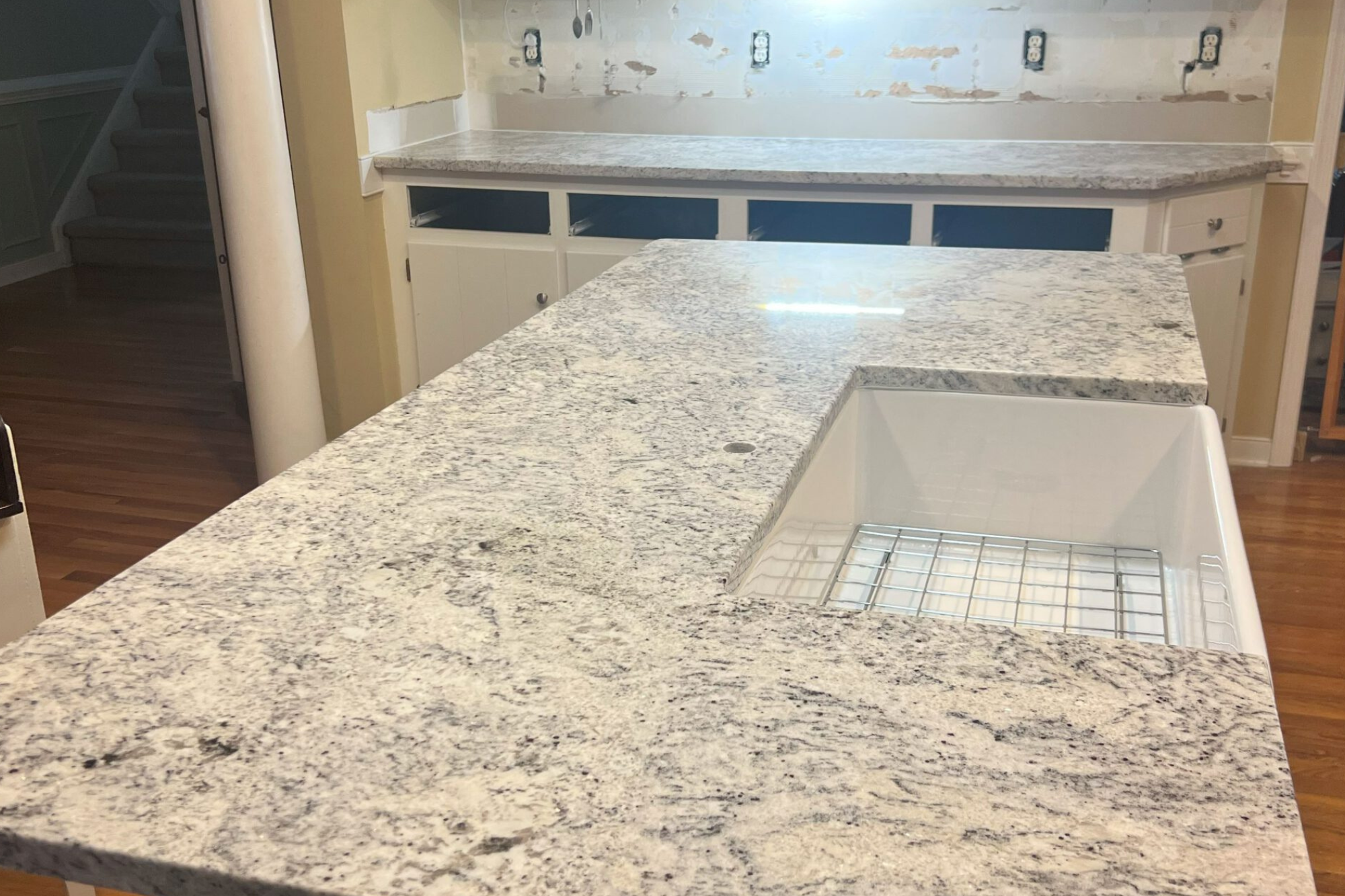
Heat Protection and Mechanical Damage
A common myth in the industry is that quartz is “heat-proof.” While the stone minerals can withstand high temperatures, the resins cannot. Most manufacturers state that their products can handle temperatures up to 300 degrees Fahrenheit, but a pot coming off a stove can easily exceed 500 degrees.
Steps to Prevent Physical Damage:
- Always Use Trivets: Even for “warm” items like a toaster oven or a slow cooker. The sustained heat can cause the resin to discolor.
- Never Cut Directly on the Surface: While it is difficult to scratch, metal blades can leave “metal marks”—dark streaks that look like scratches but are actually bits of metal rubbed off onto the hard stone.
- Use Plastic Tools: If you have dried-on food, such as oatmeal or paint, do not use a metal knife to scrape it off. Use a plastic putty knife or a credit card to gently pop the debris off the surface.
In many older homes, we see beautiful renovations marred by a single hot pan placed down in a hurry. Developing the habit of “trivet-first” is the single most important thing you can do for your Richmond quartz countertop.
Debunking the “Forever Sealant” Myth
There is a widespread misconception that you should apply a granite sealer to quartz to make it “extra” shiny or protected. This is false and potentially damaging.
Because the material is non-porous, a sealer cannot soak into the stone. Instead, it simply sits on top of the surface as a greasy, uneven film. Over time, this film will catch dust, hair, and fingerprints, making the countertop look dirty no matter how much you clean it. Furthermore, some sealers can react poorly with the factory finish, causing a permanent haze. If a salesperson tries to sell you a sealing service, politely decline. The engineering is already finished; no further chemicals are required.
Long-Term Maintenance and Deep Cleaning
Once or twice a year, you may feel the surface needs a deeper refresh. For this, you can use a dedicated stone soap or a mixture of water and a small amount of rubbing alcohol. This helps remove any microscopic buildup of cooking oil that may have misted onto the surface over time.
For stubborn marks such as permanent marker or adhesive residue, a small amount of nail polish remover (acetone) can be applied with a cotton ball, but it must be rinsed off immediately with water. Leaving acetone on the surface for more than a few seconds can soften the resin.
In Summary
Maintaining a quartz countertop doesn’t have to be time-consuming or expensive. At Tiger Granite and Marble, we recommend simple practices, using mild soap, warm water, and consistent heat protection, to keep your kitchen looking its best. The resin in the surface provides both its beauty and its vulnerability, so avoiding harsh chemicals is essential. With mindful care, you can protect your investment and enjoy a durable, long-lasting countertop.
If you are looking for professional guidance on high-end surface care or want to explore the best options for your next home project, contact us today for more information on maintaining a premium home aesthetic.
People Also Ask
Do I need to polish my quartz?
No. The shine on your countertop is a result of factory diamond polishing. It is not a coating. You cannot “re-polish” it at home with sprays; you simply maintain the existing polish by keeping it clean.
Can I use vinegar to clean my counters?
It is not recommended. Vinegar is acidic and, while it won’t damage the stone immediately, frequent use can dull the resin binders over several years.
Why is my countertop turning yellow?
Yellowing is usually a sign of either chemical damage (from bleach) or UV damage. If your counter is in direct sunlight through a window, the UV rays can eventually “tan” the resins.
Is quartz antibacterial?
Because it is non-porous, it does not harbor bacteria, mold, or mildew. However, it is not “self-cleaning.” You still need to wipe away surface contaminants to maintain a hygienic environment.